- Opening Hours
- Timing: Mon to Sat - 10 AM to 5 PM
- Address: Positron Hospital, Health Center Plot Block B Suncity, Sector 35, Suncity Township-I, Rohtak, Haryana 124001
Laser Prostate Surgery
Laser prostate surgery refers to minimally invasive endoscopic procedures that use laser energy to treat benign prostatic hyperplasia (BPH), a non-cancerous enlargement of the prostate gland that compresses the urethra, causing urinary symptoms like weak stream, frequent urination, urgency, or incomplete emptying. These techniques offer precise tissue removal or vaporization with less bleeding, shorter hospital stays, and faster recovery compared to traditional surgery.
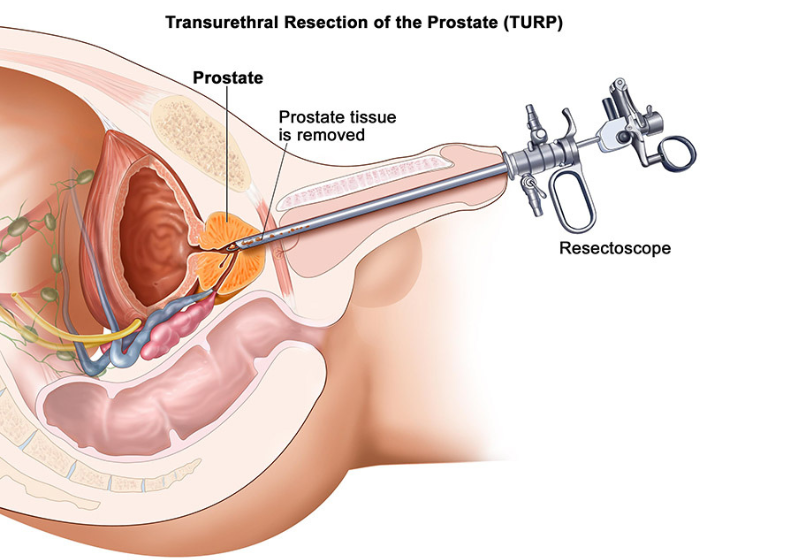
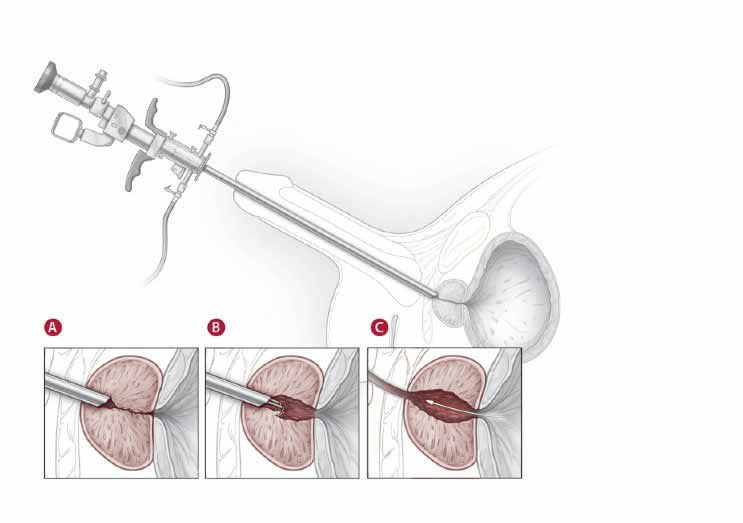
Here are anatomical illustrations showing an enlarged prostate (BPH) compressing the urethra:
Common Types of Laser Prostate Procedures
The most widely used laser techniques include:
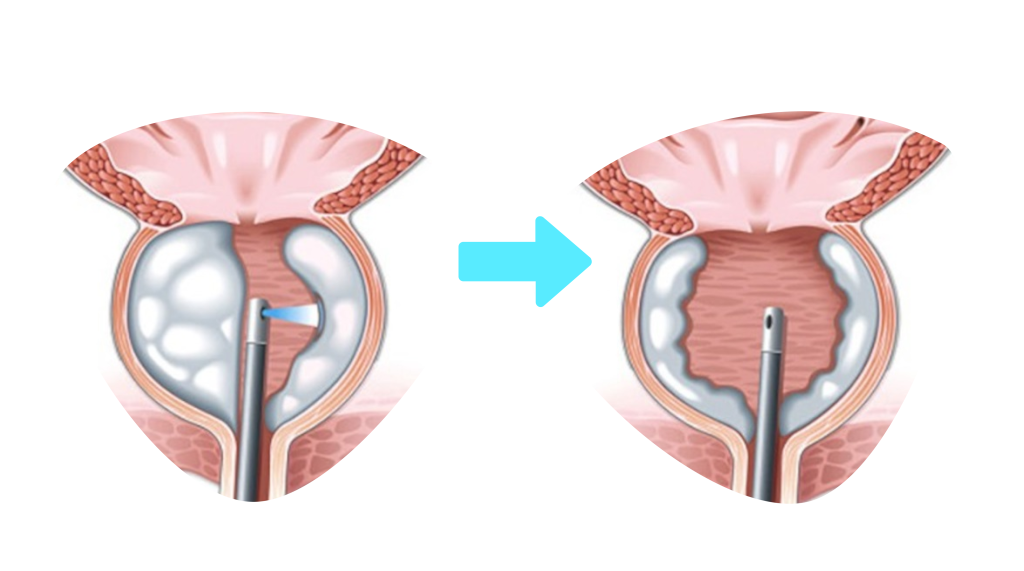
- GreenLight Laser Therapy (Photoselective Vaporization of the Prostate – PVP) — A green light laser vaporizes excess prostate tissue while sealing blood vessels, minimizing bleeding. It is suitable for many prostate sizes and often performed on an outpatient basis.
Here are visuals of the GreenLight laser PVP procedure in action:
- HoLEP (Holmium Laser Enucleation of the Prostate) — Considered a gold standard for larger prostates. A holmium laser precisely enucleates (shells out) prostate lobes, which are then morcellated and removed. It provides excellent long-term results with low re-treatment rates.
Illustrations of the HoLEP procedure, showing laser enucleation of prostate tissue:
These procedures use a thin instrument (resectoscope or laser cystoscope) inserted through the urethra under anesthesia.
Benefits, Recovery, and Aftercare
Laser prostate surgery typically results in significant symptom improvement, preserved sexual function in most cases, and reduced need for prolonged catheterization. Recovery involves mild discomfort, temporary blood in urine, and possible urge incontinence that resolves quickly. Patients usually resume normal activities within days to weeks.
A temporary catheter is often placed for a few days. Follow-up includes monitoring urine flow and symptom relief. Laser techniques are highly effective for moderate to severe BPH symptoms unresponsive to medications.
Consult a urologist for personalized assessment, as the choice of procedure depends on prostate size, overall health, and individual needs. With modern laser technology, most men experience lasting relief and improved quality of life!