- Opening Hours
- Timing: Mon to Sat - 10 AM to 5 PM
- Address: Positron Hospital, Health Center Plot Block B Suncity, Sector 35, Suncity Township-I, Rohtak, Haryana 124001
Kidney Transplant Evaluation
Kidney transplantation is a life-saving treatment for end-stage renal disease (ESRD), where a healthy kidney from a living or deceased donor replaces a failed kidney. Evaluation is a comprehensive, multi-step process to determine suitability for both the recipient and potential donor (if living). It ensures safety, compatibility, and optimal outcomes. The process involves a multidisciplinary team including nephrologists, urologists, transplant surgeons, coordinators, psychologists, and social workers.
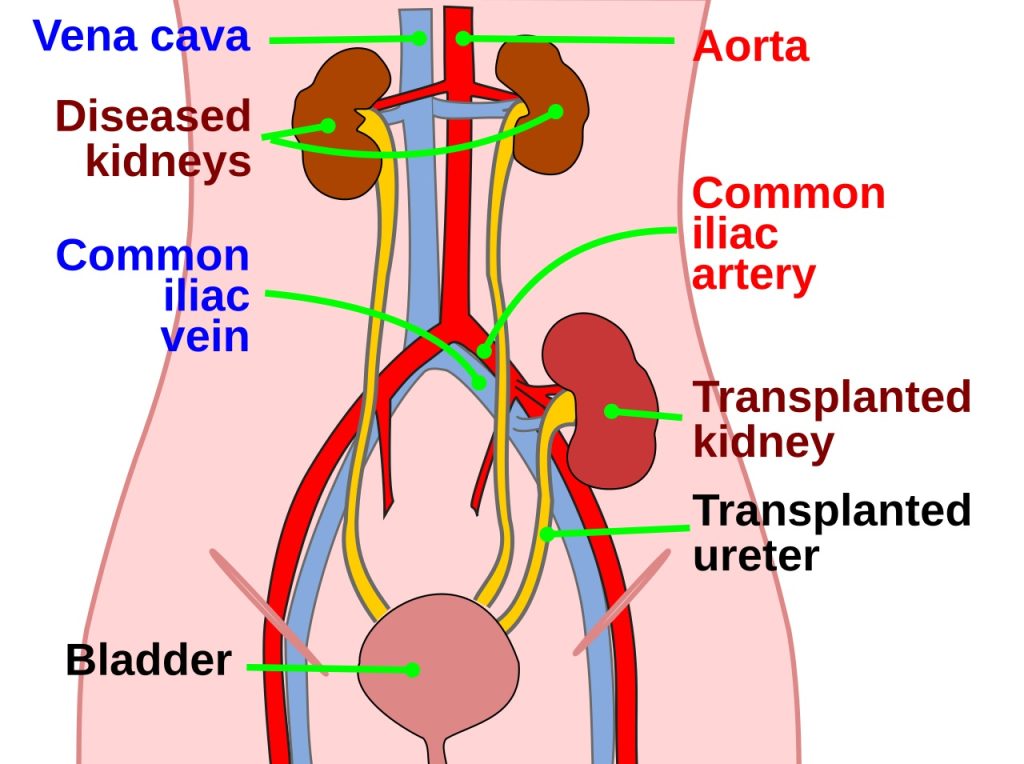
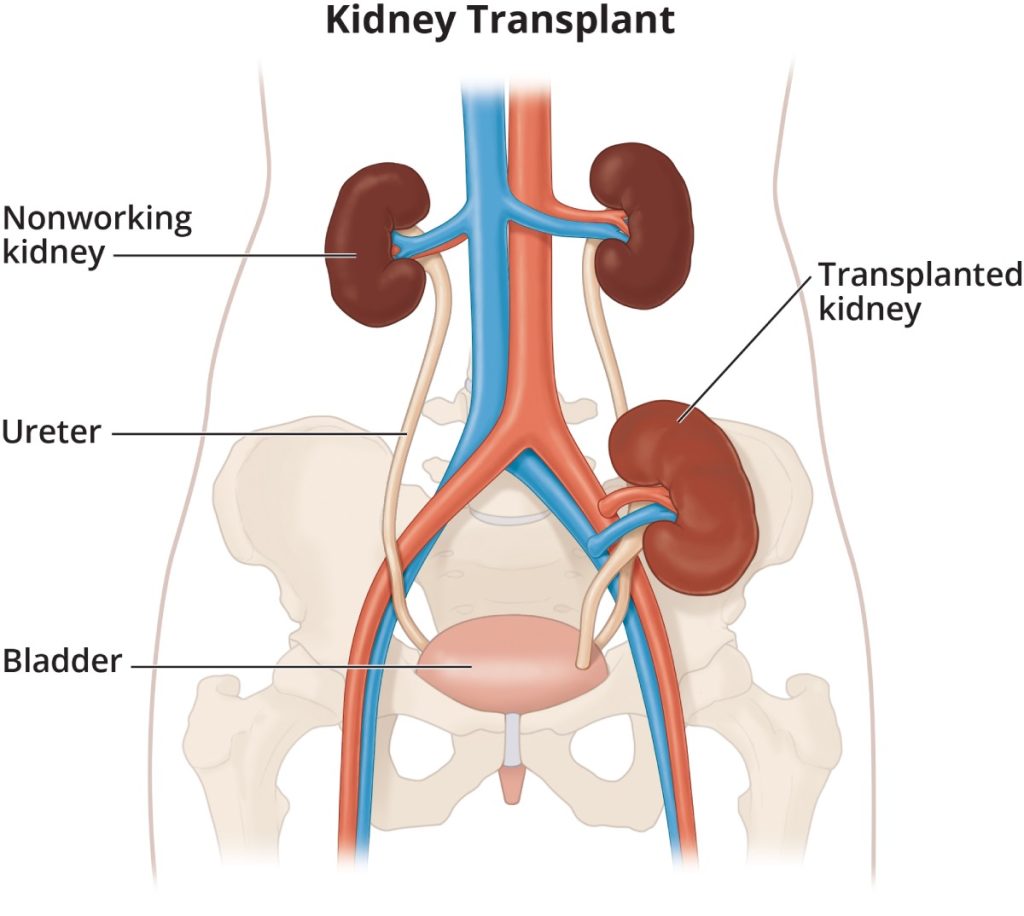
Here are anatomical illustrations showing the typical placement of a transplanted kidney in the recipient’s pelvis (note: the native kidneys are usually left in place):
Recipient Evaluation Process
The recipient evaluation assesses overall health, identifies barriers to transplantation, and confirms the need for transplant. Key components include:
- Detailed medical history and physical examination
- Blood tests (kidney function, electrolytes, blood type, tissue typing/HLA, viral serologies, cancer screening)
- Cardiac evaluation (ECG, echocardiogram, stress test if needed)
- Imaging (ultrasound, CT/MRI of abdomen/pelvis)
- Psychosocial assessment (mental health, social support, adherence potential)
- Dental and infectious disease screening
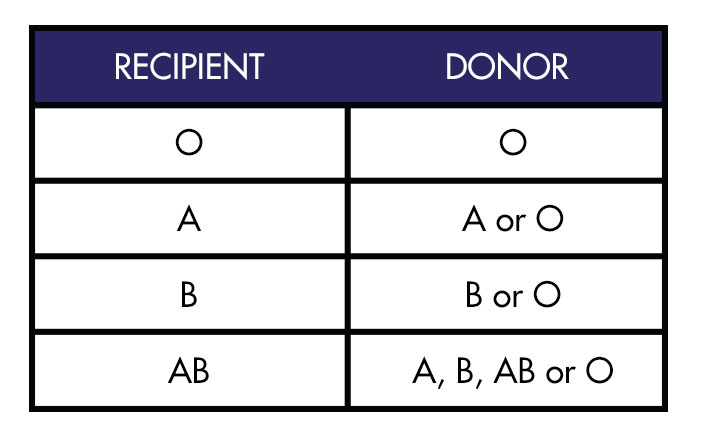
Blood type compatibility is critical for matching:
Here are clear charts illustrating blood type compatibility for kidney transplantation:
For living donors, a separate but parallel evaluation occurs, focusing on donor health and voluntary informed consent.
Additional Considerations and Next Steps
For deceased donor transplants, patients are placed on a national or regional waiting list after approval. Priority factors include wait time, medical urgency, and compatibility.
Here is an illustration of the deceased donor allocation and waiting process overview:
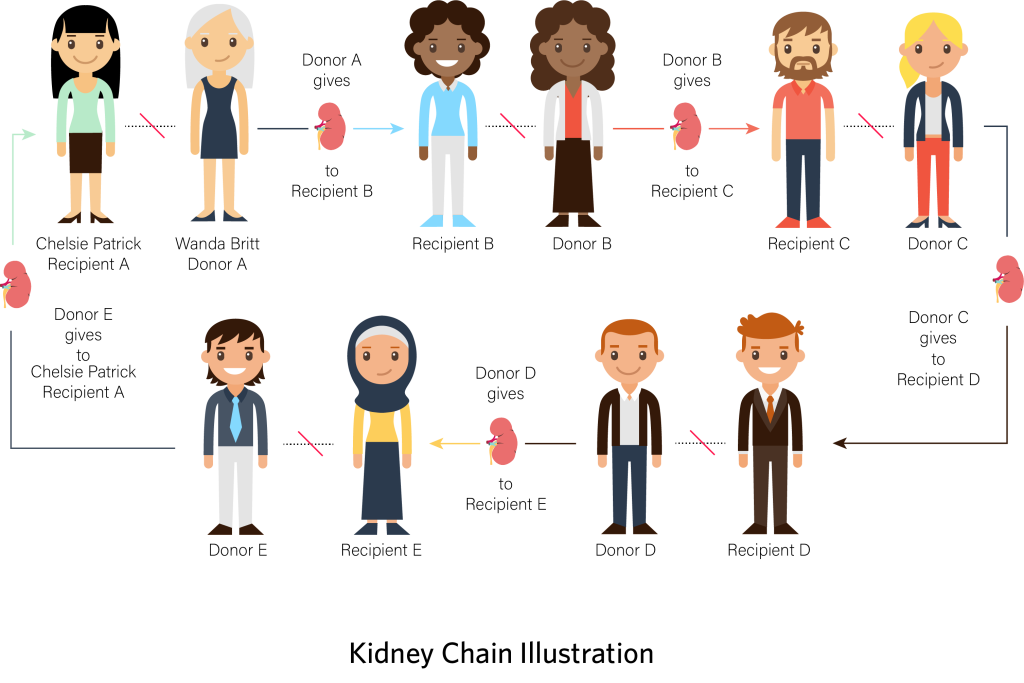
If barriers are identified (e.g., active infection, malignancy, poor cardiac status), treatment or optimization may be required before listing. Incompatible pairs can explore paired exchange programs.
The evaluation is thorough to minimize risks and maximize success. Once approved, patients receive education on immunosuppression, lifestyle, and follow-up care. Consult a transplant center early for detailed, individualized assessment — timely evaluation improves access to this transformative treatment.