
- Opening Hours
- Timing: Mon to Sat - 10 AM to 5 PM
- Address: Positron Hospital, Health Center Plot Block B Suncity, Sector 35, Suncity Township-I, Rohtak, Haryana 124001
Urinary Incontinence Treatment
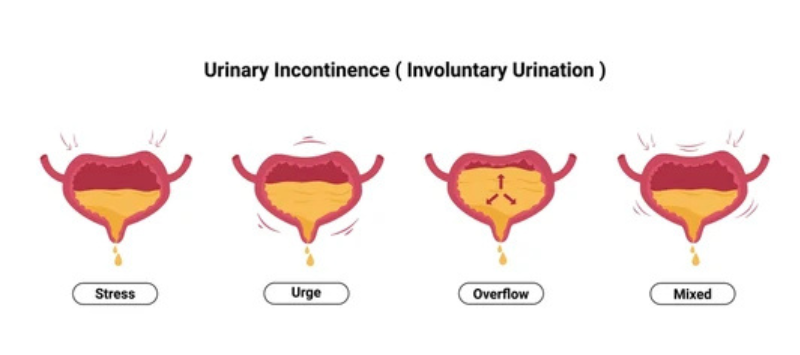
Urinary incontinence is the involuntary leakage of urine, a common condition affecting both men and women, often due to weakened pelvic floor muscles, nerve issues, prostate problems in men, or changes after childbirth/pregnancy in women. Main types include stress (leakage with coughing, sneezing, or exercise), urge (sudden strong need to urinate), overflow (constant dribbling from full bladder), and functional (due to mobility or cognitive issues). Treatment is tailored to the type, severity, and underlying cause. Consulting a urologist or urogynecologist is essential for accurate diagnosis and personalized plan.
Here are illustrations showing the main types of urinary incontinence:
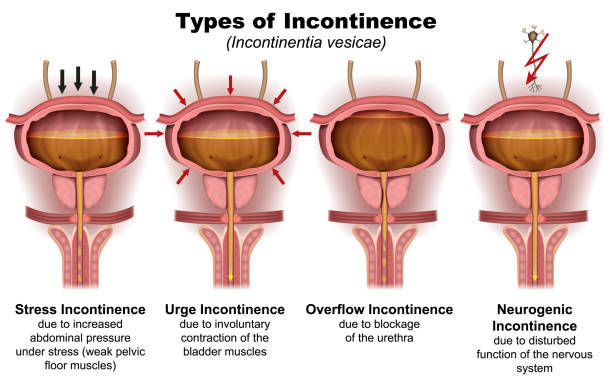
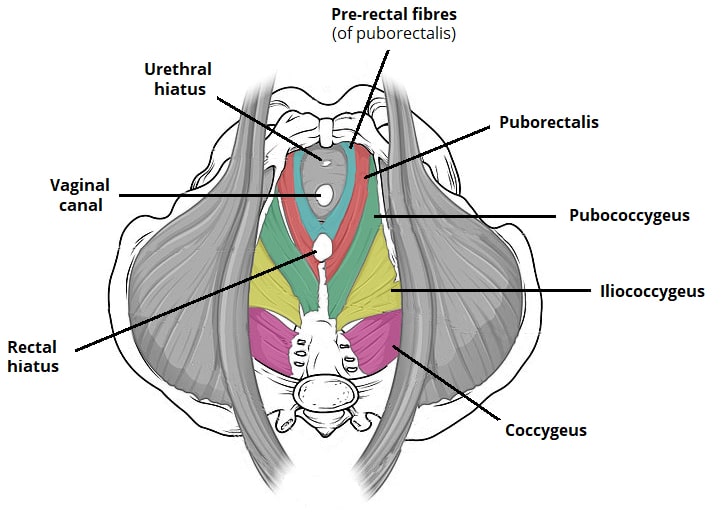
These diagrams depict the pelvic floor muscles and anatomy involved in continence:
Conservative and Lifestyle Management for Mild to Moderate Incontinence
Most cases improve significantly with non-surgical approaches. Pelvic floor muscle training (Kegel exercises) strengthens the muscles that support the bladder and urethra. Regular practice involves contracting and relaxing these muscles several times a day.
Bladder training helps increase the time between urges by gradually delaying urination and scheduling voiding. Lifestyle changes include maintaining a healthy weight, avoiding bladder irritants (caffeine, alcohol, spicy foods), staying hydrated appropriately, and treating constipation.
Doctors may recommend absorbent products temporarily, vaginal pessaries for women, or medications to relax an overactive bladder in urge incontinence. Physical therapy with biofeedback or electrical stimulation can enhance pelvic floor training results.
Advanced and Surgical Treatments for Persistent or Severe Cases
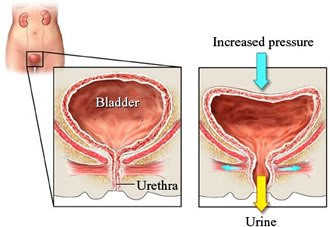
When conservative methods are insufficient, advanced options are considered. Minimally invasive procedures include mid-urethral sling surgery, which places a supportive mesh tape under the urethra to prevent leakage, particularly effective for stress incontinence.
Here is an illustration of the sling procedure:
When conservative methods are insufficient, advanced options are considered. Minimally invasive procedures include mid-urethral sling surgery, which places a supportive mesh tape under the urethra to prevent leakage, particularly effective for stress incontinence.
Here is an illustration of the sling procedure: