- Opening Hours
- Timing: Mon to Sat - 10 AM to 5 PM
- Address: Positron Hospital, Health Center Plot Block B Suncity, Sector 35, Suncity Township-I, Rohtak, Haryana 124001
Urinary Tract Infection
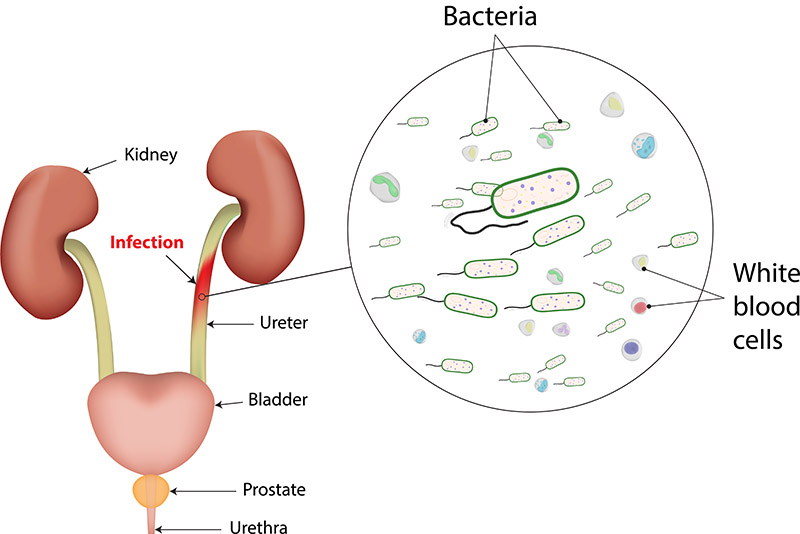
A Urinary Tract Infection occurs when bacteria, most commonly E. coli from the gastrointestinal tract, enter and multiply in the urinary system. UTIs can affect any part, including the urethra (urethritis), bladder (cystitis — most common), or kidneys (pyelonephritis — more serious). Women are more prone due to a shorter urethra, but men, children, and older adults can also be affected. Common symptoms include frequent urination, burning sensation during urination, cloudy or strong-smelling urine, pelvic pain, and sometimes fever or back pain in upper tract infections.
Here are anatomical diagrams showing the normal urinary system in males and females:
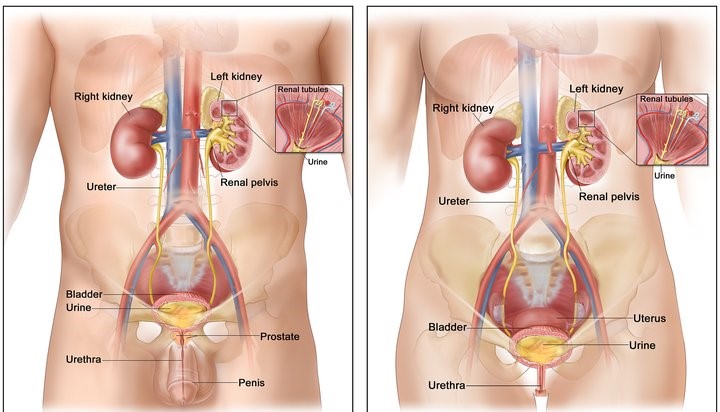
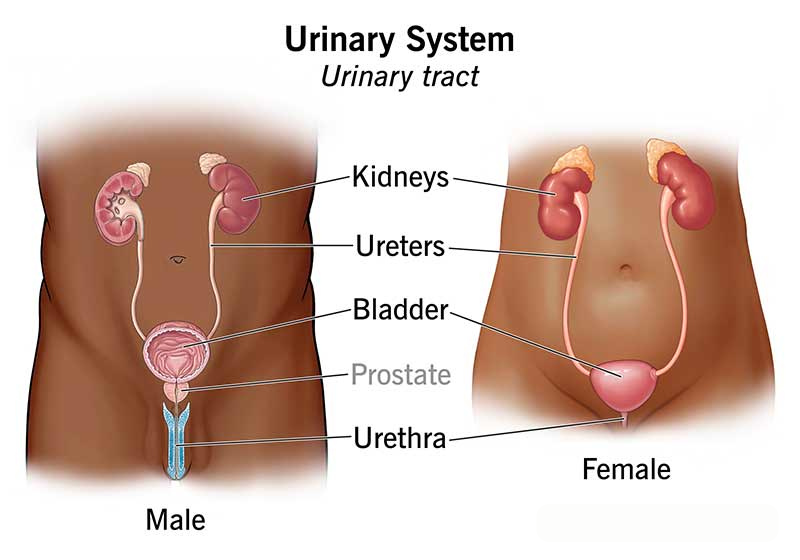
These illustrations highlight the sites where infections typically occur:
Conservative and Home Management for Uncomplicated UTIs
For mild, uncomplicated lower UTIs (mainly bladder infections), initial management focuses on symptom relief and supporting the body’s natural defenses. Drink plenty of water to flush bacteria out and dilute urine, aiming for frequent clear urination throughout the day.
Cranberry products (juice or supplements) may help prevent bacteria from sticking to the urinary tract lining, though they are more useful for prevention than active treatment. Over-the-counter pain relievers address discomfort, while urinary analgesics can numb the burning sensation.
Practice good hygiene: Wipe from front to back after using the toilet, urinate after sexual activity, and avoid irritating products like douches or scented soaps. Wear cotton underwear and avoid tight clothing to keep the area dry.
These measures often resolve mild cases quickly, but antibiotics are usually prescribed by a doctor after urine testing to target the specific bacteria.
Medical Treatment and Management for Complicated or Recurrent UTIs
When symptoms are severe, involve fever/chills/back pain (suggesting kidney involvement), persist despite home care, or recur frequently, medical intervention is essential.
Doctors prescribe oral antibiotics for most lower UTIs and may use intravenous antibiotics for upper tract or complicated infections. Treatment duration varies based on severity and response. In recurrent cases, longer courses, low-dose preventive antibiotics, or post-intercourse prophylaxis may be recommended.
For structural issues (e.g., stones, obstruction), further evaluation with imaging or specialist referral is needed. Always complete the full antibiotic course to prevent resistance and recurrence.
Prevention tips include staying hydrated, emptying the bladder regularly, and following hygiene practices — see this helpful infographic: