- Opening Hours
- Timing: Mon to Sat - 10 AM to 5 PM
- Address: Positron Hospital, Health Center Plot Block B Suncity, Sector 35, Suncity Township-I, Rohtak, Haryana 124001
Prostate Disease Management
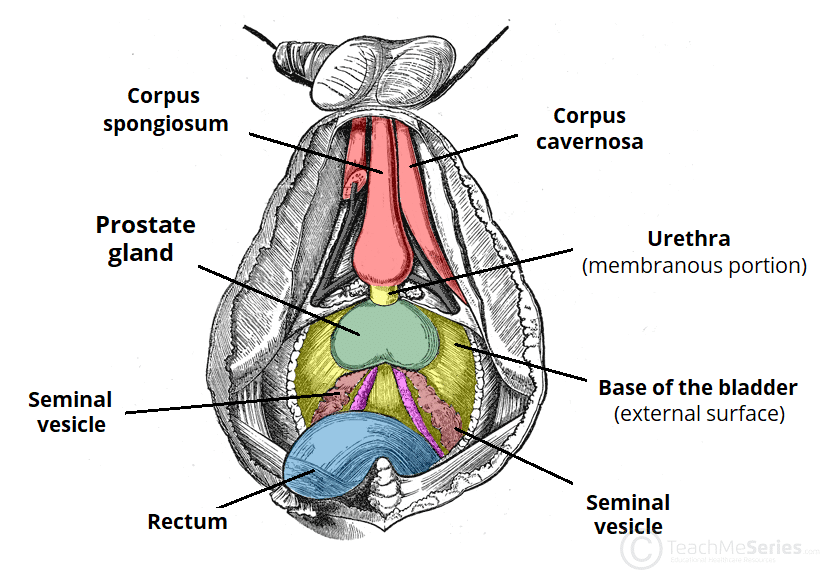
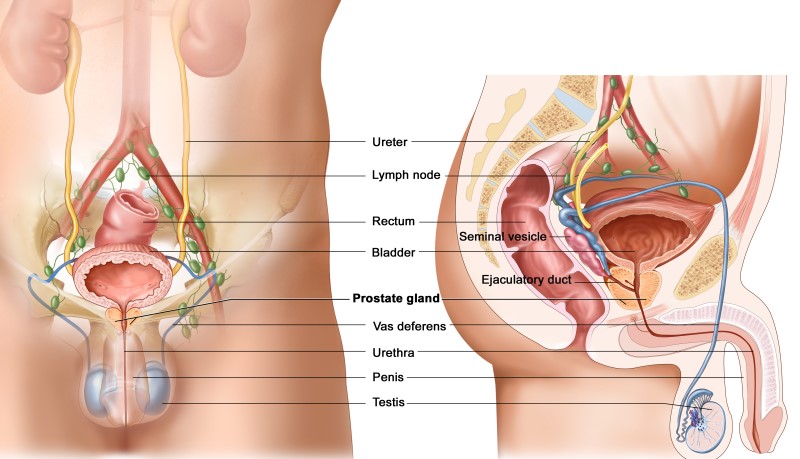
The prostate is a small walnut-sized gland in men located below the bladder and surrounding the urethra. It produces fluid that nourishes and transports sperm. Common prostate diseases include benign prostatic hyperplasia (BPH) (non-cancerous enlargement), prostatitis (inflammation or infection), and prostate cancer. Management varies based on the condition, severity of symptoms, age, and overall health. Early detection through regular check-ups, especially after age 50 (or earlier with family history/risk factors), plays a key role.
Here are clear anatomical illustrations of the prostate gland in the male urinary and reproductive system:
Conservative and Lifestyle Management for Mild Cases
For mild symptoms, particularly in BPH or chronic prostatitis, initial management focuses on lifestyle changes and watchful waiting. Increase fluid intake during the day while reducing evening consumption to minimize nighttime urination. Avoid bladder irritants such as caffeine, alcohol, spicy foods, and carbonated drinks.
Pelvic floor exercises (Kegel exercises) strengthen muscles supporting the bladder and prostate, helping improve urine flow and reduce urgency. Maintain a healthy weight through balanced diet and regular physical activity, as excess abdominal fat can worsen pressure on the bladder.
Medications commonly prescribed include alpha blockers to relax prostate and bladder neck muscles for better urine flow, and 5-alpha reductase inhibitors to gradually shrink the prostate in cases of enlargement. Anti-inflammatory drugs or antibiotics address prostatitis when infection is present.
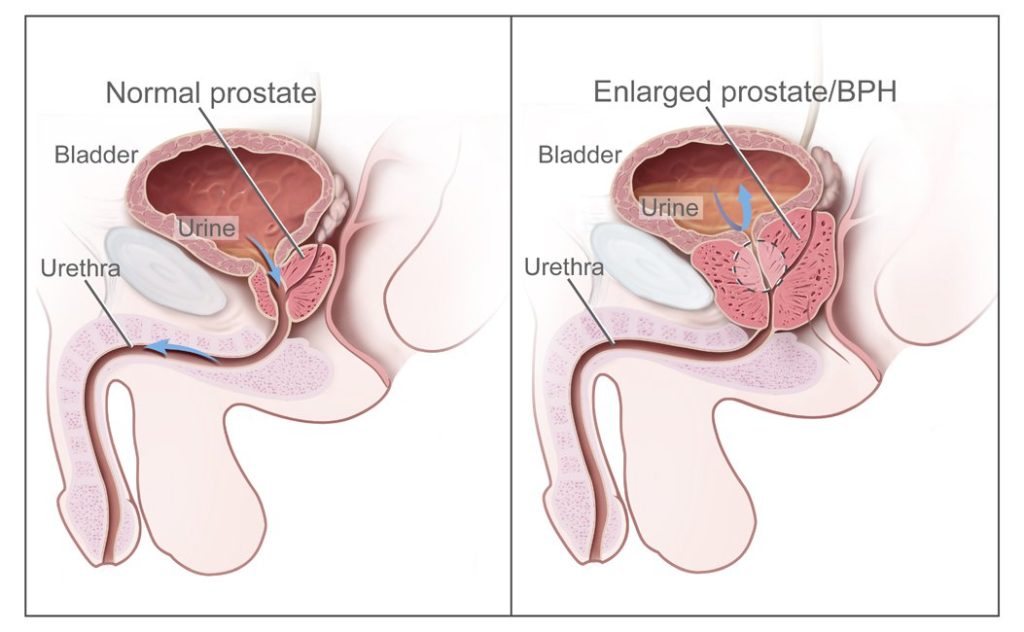
Here is an illustration showing benign prostatic hyperplasia (BPH), where the enlarged prostate compresses the urethra:
Monitor symptoms closely and follow up regularly with a urologist. These approaches often provide significant relief without invasive procedures.
Advanced and Surgical Treatments for Moderate to Severe Cases
When symptoms significantly affect quality of life, cause recurrent infections, bladder stones, or kidney issues, more advanced interventions are considered.
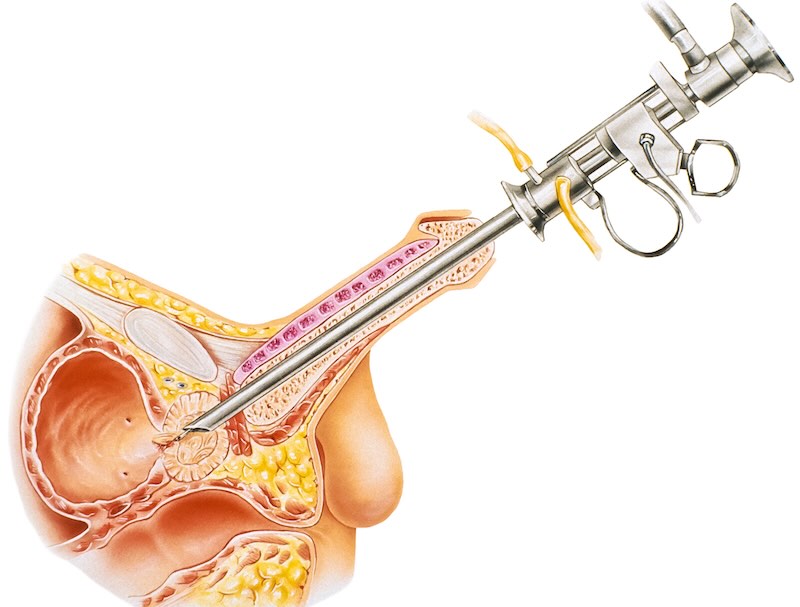
Minimally invasive options include procedures like transurethral resection of the prostate (TURP), where excess prostate tissue is removed through the urethra using an instrument. Laser therapies vaporize or remove tissue with precision and reduced bleeding.
For prostate cancer, treatment depends on stage, grade, and patient preferences. Active surveillance monitors low-risk cases closely without immediate intervention. Radical prostatectomy surgically removes the entire prostate, often using robotic assistance for better precision and faster recovery.
Here are visuals of common surgical approaches:
TURP procedure illustration:
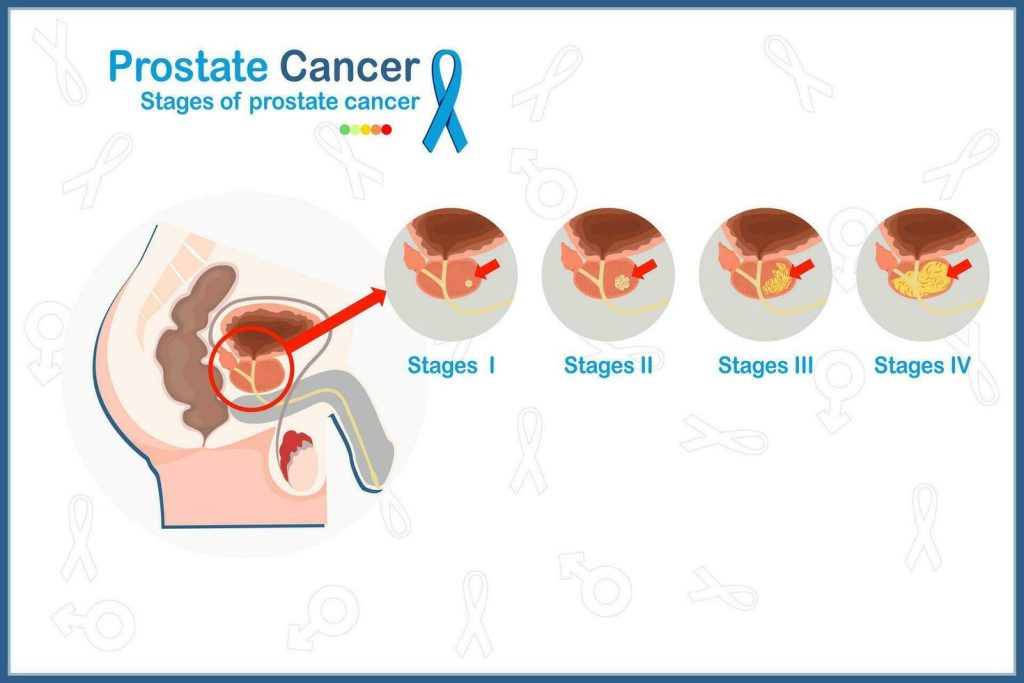
Radiation therapy, hormone therapy, or chemotherapy may be used for cancer depending on the situation. Prostate cancer stages are illustrated below for better understanding:
Always consult a urologist or oncologist for personalized evaluation, as timely and appropriate management leads to excellent outcomes in most cases. Regular screening and awareness remain essential for prostate health.